

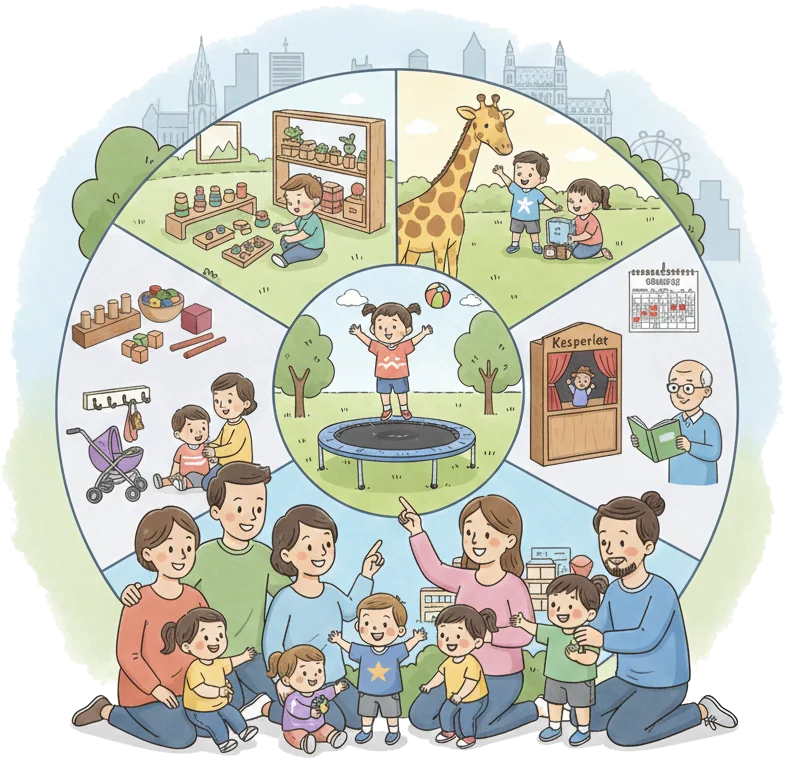
In Vienna, parents face an important decision: Should they choose a public (MA 10) or a private kindergarten? Additionally, the ongoing shortage of qualified staff makes the search for the right place even more challenging.
We’ll show you the most important criteria to help with your choice and provide a practical checklist for download.
Our tip: Even if all the facts look perfect – trust your gut! And remember: In the end the interaction between educators, parents, and children is crucial and can hardly be assessed in advance.
32 Criteria for Choosing the right Kindergarten
1. Distance & Accessibility
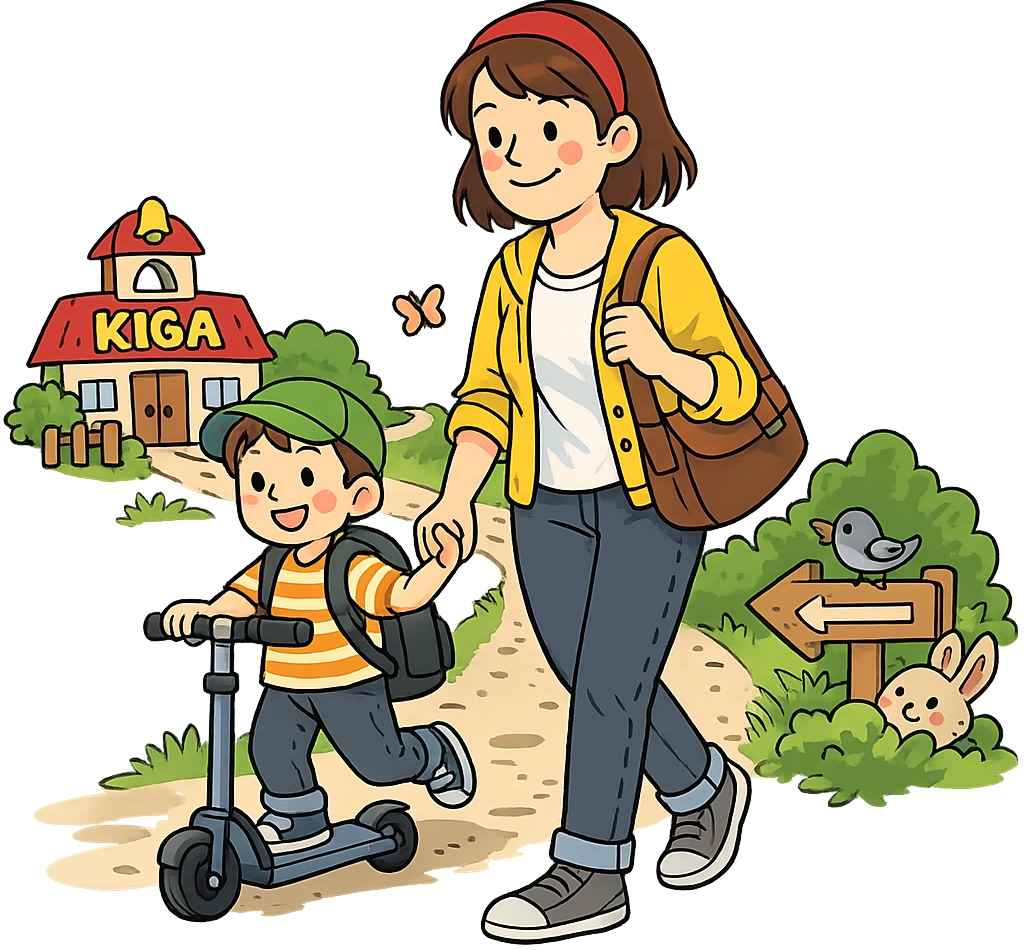
The best kindergarten is one that is easy to reach – ideally within walking distance. After all, the journey is made at least twice on every daycare day and quickly becomes part of the daily routine. It is especially convenient (and safer) if no busy roads need to be crossed or if the route leads away from traffic. This significantly reduces risks, particularly when children later travel by scooter or bicycle.
2. Stroller Parking
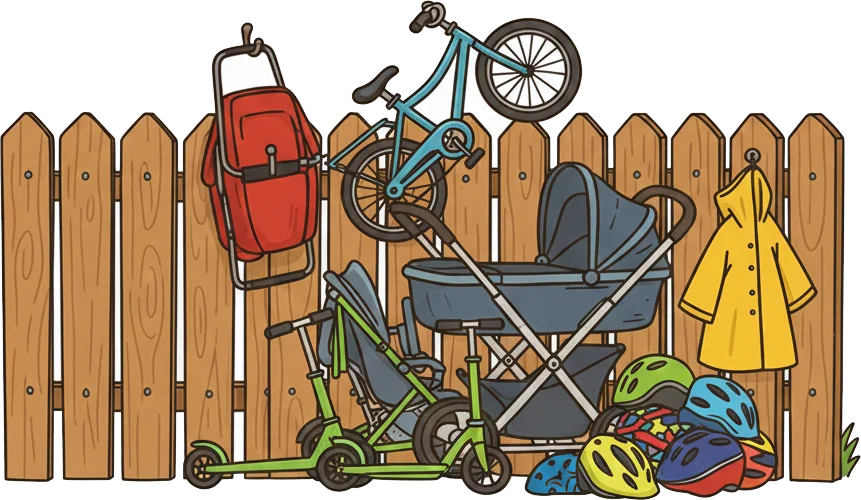
An often underestimated point: safe and sufficiently large parking spaces for strollers, scooters, and bicycles. In some facilities, strollers even have to be folded and hung up. When a buggy and a bike are forced to share a single hook, it quickly becomes clear how valuable enough storage space really is.
3. Costs & Subsidies
Private kindergartens also receive a basic subsidy from the City of Vienna. Still, additional costs may arise for food, extended opening hours, activities, or portfolios. Checking the fee list helps avoid unpleasant surprises.

4. Photographers
Many MA10 kindergartens have stopped working with photographers – too much effort, too many complaints, and just for portrait photos it is possible to go to a photographer privately anways. Or the parent representatives are expected to organize everything voluntarily. Private facilities tend to be more flexible. If memory photos are important to you, be sure to ask.

5. Group Size & Structure
How many groups are there? How big are they? How much qualified and assistant staff is present? The answers influence noise levels, daily routines, and your little pirates’ well-being.
6. Emergency Operations
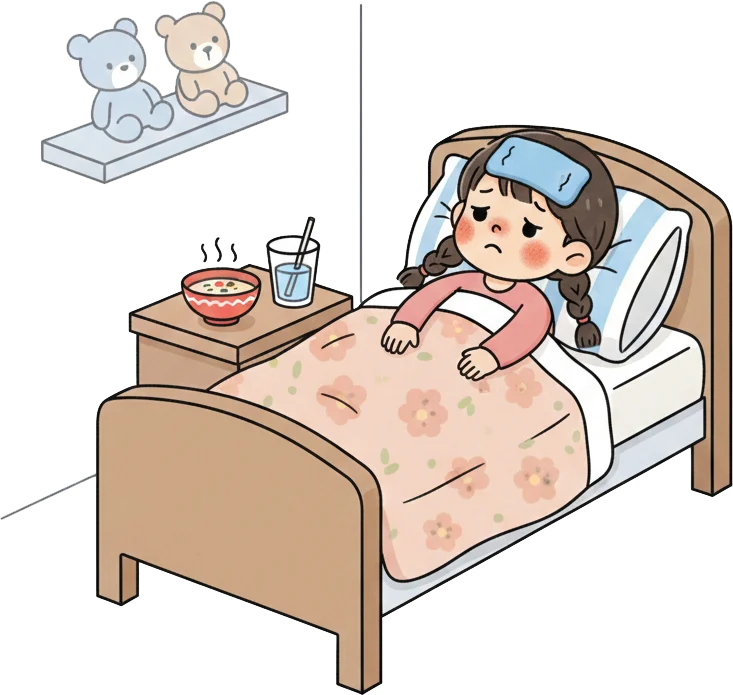
In emergency operations (“Notbetrieb”), parents who are at home are often asked to keep their children at home. Larger facilities can reorganize staff more easily, but when there’s a high amount of sick leave (e.g., half of the staff), there’s often no alternative to sending children home or closing entirely. If staffing levels are already thin to begin with, the first autumn wave of illnesses will hit especially hard. Ask how often emergency operations occurred last year.
7. Filled Positions & Experience
Full-time, part-time, in training, or with years of experience? Part-time structures can create more frequent bottlenecks. It’s also worth taking a closer look at the assistant staff – are they still in training?

8. Terms & Conditions for Parental Leave or Job Loss
Public kindergartens in particular adjust care models (half-day instead of part-time) and expectations when a parent stays at home, as they consider childcare primarily as support for working parents. This becomes noticeable during enrollment (almost only working parents get places), during waves of illness, and during holidays (parents are expected to keep children at home when staff is short).
The fact that caring for a baby is a full-time job, or that grandparents may need to step in – if they exist at all – is rarely taken into account. During emergency operations, parents who are at home are often asked to take their kids home. During holidays, they may be told not to come at all.
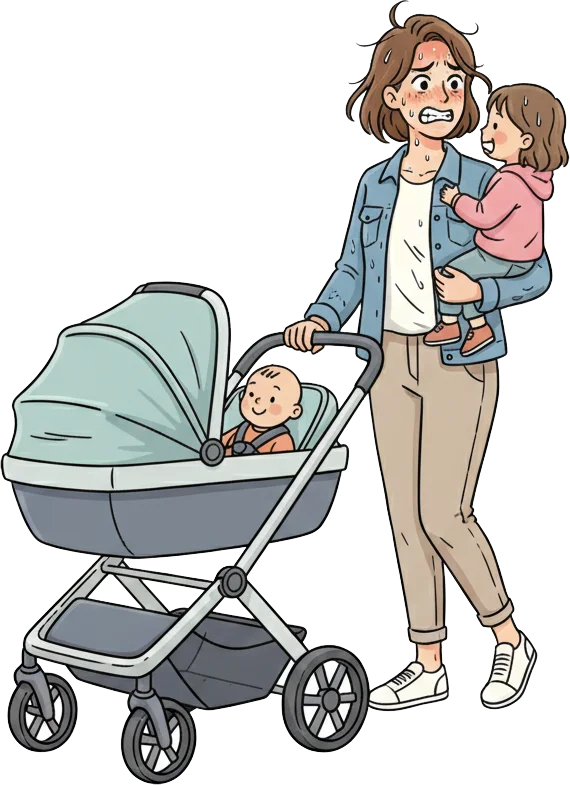
Private facilities tend to handle this more individually. Important to clarify upfront to avoid later conflicts, also among parents (working parents vs. stay-at-home parents).
9. Holidays & Mergers
Locations are often merged over Christmas or during summer. During staff shortages, this sometimes happens during other school holidays as well, even though kindergartens don’t officially have school holidays. Kids from smaller kindergartens usually have to move to bigger kindergartens.
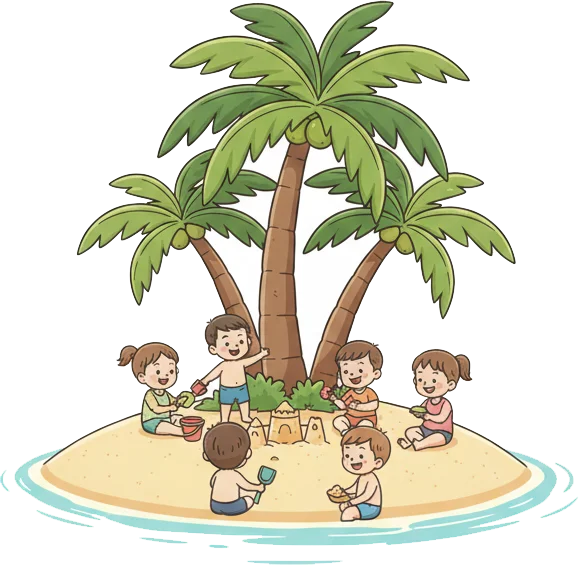
Mergers should ideally be announced at least one month in advance, but unfortunately they are often announced more spontaneously. For younger children, this is exhausting – new building, new team, new routines. Be sure to ask about this.
10. Celebrations & Parental Involvement
Some kindergartens celebrate festivals only with the children, others open their doors to parents – sometimes even with parent cafés. Shared celebrations create community, support friendships, and help maintain bonds beyond kindergarten.

11. Food & Quality
Private kindergartens often cook fresh meals. In MA10 facilities, food is delivered by Gourmet Kids, usually chilled or frozen. Fresh is generally better – as long as it isn’t kept warm for too long. Ask about the origin and preparation.

12. Open, Semi-Open, or Closed Groups?
Open concepts allow children to move between rooms. Closed groups provide more structure. Both models have advantages – depending on your child’s age and personality.
13. Garden, Outdoor Time and Physical Activity
The frequency of outdoor time varies greatly (some groups go outside in all weather, others stay indoors during cold or rainy days). It’s also important to know whether staff has the patience and time to dress all children and handle the mess afterward (e.g., mud). High UV index or ozone levels may also limit outdoor time. Since physical activity is essential, ask about their daily routine.

14. Child-to-Staff Ratio
The fewer children per educator, the more individualized the care. Common ratios are 22–25 children in kindergarten groups and around 15 in toddler groups. A 1:1 ratio like at home doesn’t exist anywhere.
15. Participation & Parent Representation
Many facilities embrace educational partnership – children and parents can have a say. In public kindergartens (though not all), parent representatives are elected during parent evenings. However, interference with the pedagogical concept is not desired, so review it carefully beforehand.
Private kindergartens often have active parent communities that create WhatsApp groups. Parent cafés may be organized by engaged parents or by the management. Parent-run kindergartens guarantee maximum participation – but also maximum responsibility.
16. Rooms & Equipment
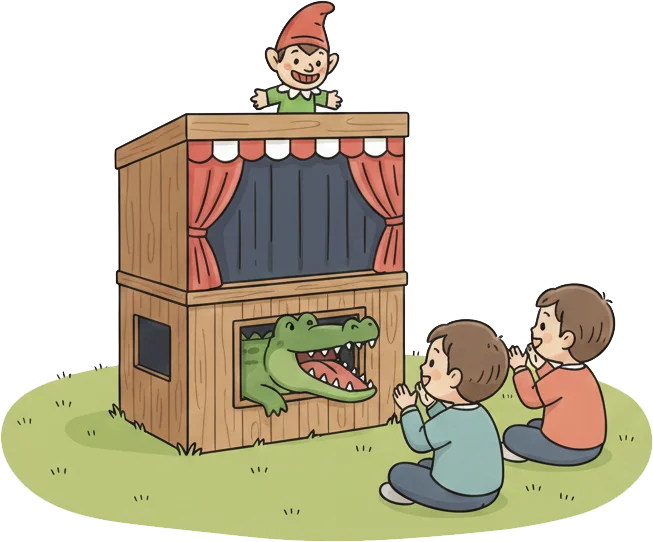
Puppet theaters, gym halls, art studios, or quiet rooms – the more varied the environment, the more adventures are possible, even on rainy days. Some kindergartens use gym halls in nearby schools, others are part of an educational campus and have everything onsite.
17. Additional Activities & Excursions
Music, yoga, English, STEM, or excursions – some are included, others cost extra. Are children only allowed to go on outings once they are four (because they’re toilet trained and can dress themselves)? Each activity is a small treasure waiting to be discovered.

18. Parent App & Communication
A parent app simplifies everyday life – from meal plans to photos to quick absence notifications. But for sensitive topics, it can’t replace personal conversations. Quick “doorstep talks” with a child in your arms aren’t ideal; often only the parent evening or regularly scheduled development talks remain.

19. Holidays & Closing Days
Public kindergartens have numerous pedagogical days outside of school holidays, allowing staff with school-age children to take time off during the school holiday period. For parents, this means: organize alternative care or take vacation.
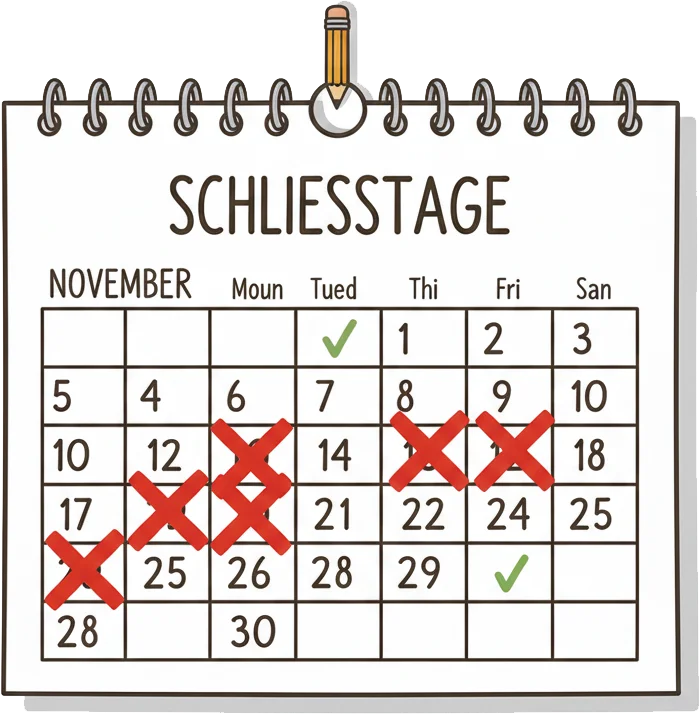
Private facilities often schedule these closing days during school holidays, which is more convenient for parents. In MA10 kindergartens, children are often automatically unsubscribed during holidays because staff also take leave. If you don’t want to take vacation exactly then, ask in advance or expect pushback.
20. Transparency & Weekly Plans
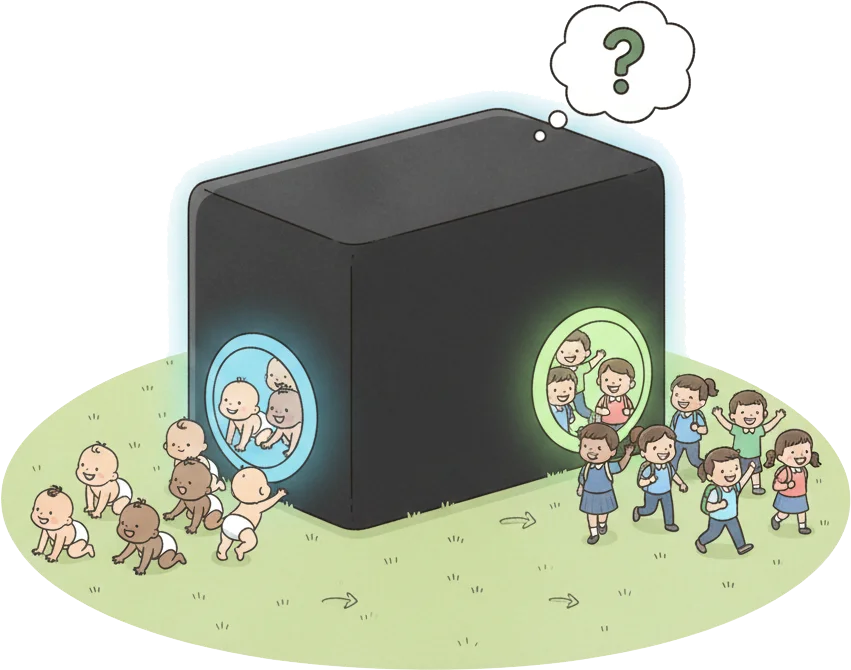
Parents want to know what their children experience – ideally beforehand. Weekly plans, calendars, portfolios, or short updates at pickup provide transparency. Kindergarten shouldn’t be a black box.
21. Books & Media
Books are essential treasures. Digital media like tablets or picture frames can be helpful if they’re well integrated and the children are not too young.

22. Enrollment & Procedures
For MA10, the main enrollment period is in November and December. You cannot choose a specific kindergarten; you can only list preferences. Still, it’s worth visiting nearby facilities and talking to parents who already have children there – ideally using this list. In March you find out whether you got a place for September.
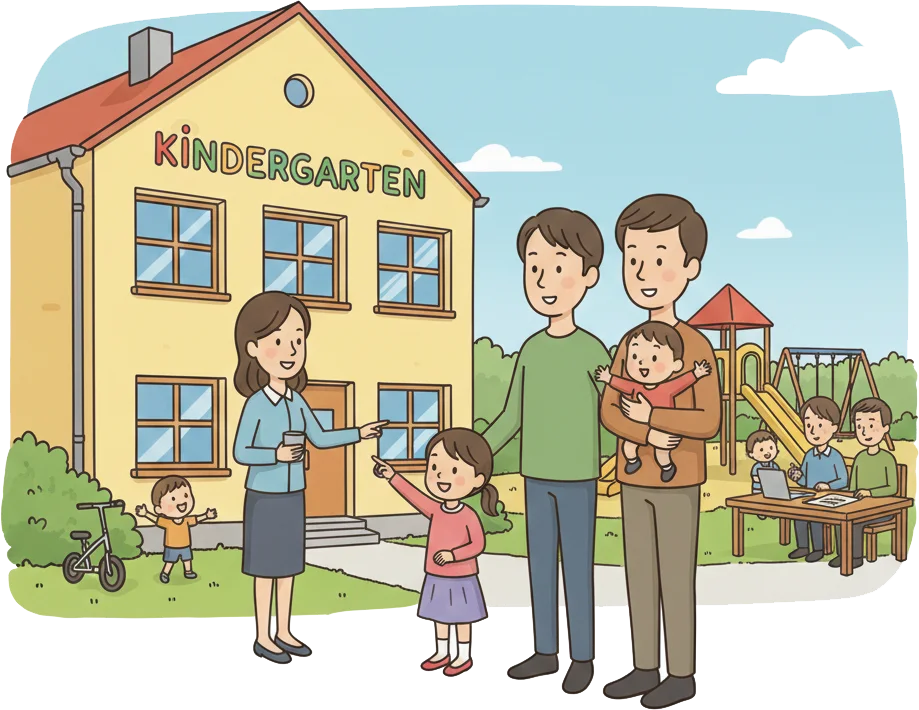
Private kindergartens assign places continuously, although most become available in September when children change groups or start school. Most parents apply there in March after not getting a place with MA10. A deposit secures the spot; early registration increases your chances.
23. Educational Focus
Reading, creativity, nature, sustainability, or independence – educational focuses show what the kindergarten stands for. Perfect when it aligns with your child’s needs.
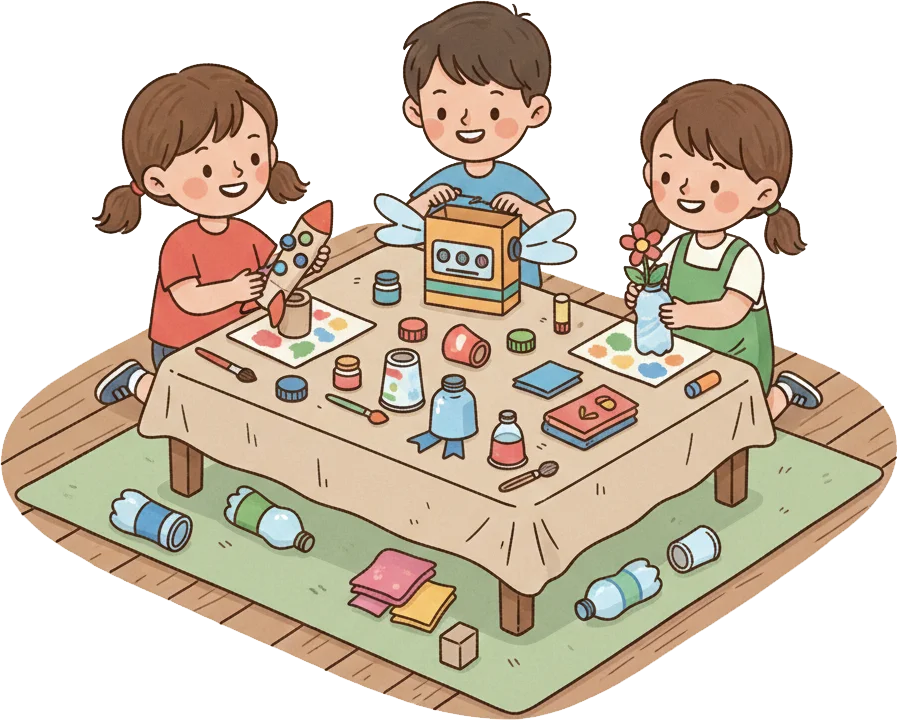
24. Gut Feeling
Old building with charm or modern campus? Light, colors, smells, and acoustics often reveal more than a beautiful website. Our example: a top modern campus that still felt cold and smelled like solvent – not ideal for children.
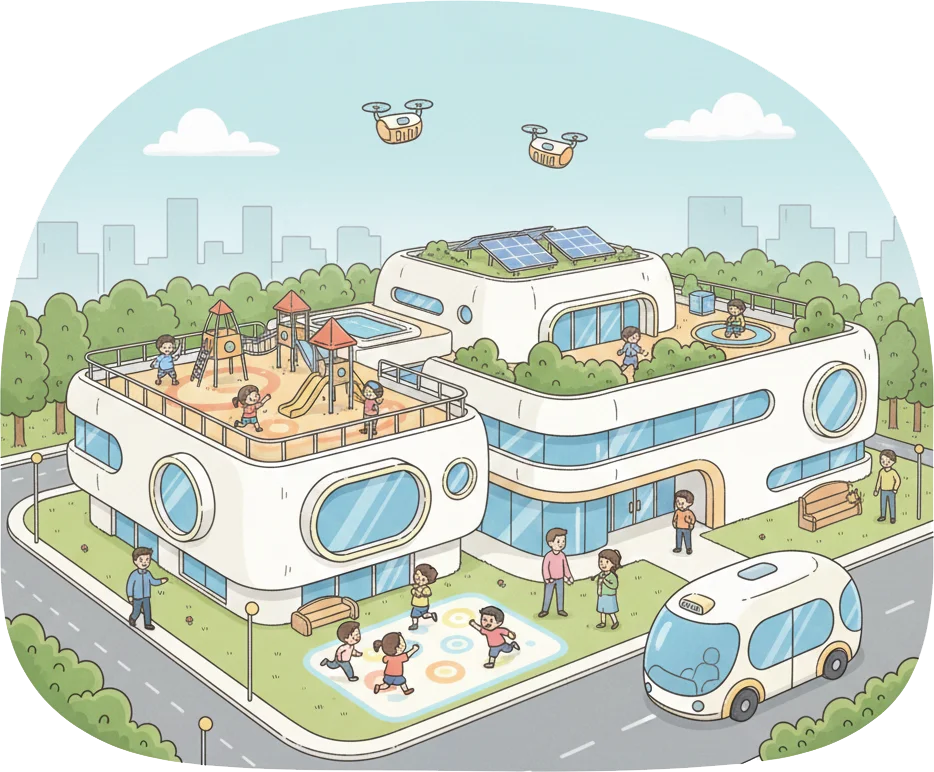
25. Toys & Equipment
Montessori materials, climbing walls, or trampolines – the offer should match your child’s interests. An inspiring environment motivates little explorers.

26. Pedagogical Concept & Standards
Whether run by a large organization or a small association – all must meet legal standards monitored by MA11. Public facilities undergo stricter checks, but private ones also focus on high quality. The concept makes the difference: e.g., Montessori without toys, or the “Infans” model with strong individualization.
27. Potty Training & Support
Does the kindergarten actively support potty training? Do they respond patiently when accidents happen? Some use routines or sticker charts, while others switch back to diapers more quickly to make their work easier — even against the parents’ wishes.

28. Experience of the Educators
Experience is valuable — both for the management and the team. But groups and staff can change, and you usually cannot choose the specific group. What always matters most is the relationship between educator, child, and parents. If the chemistry isn’t right, a change might be necessary.
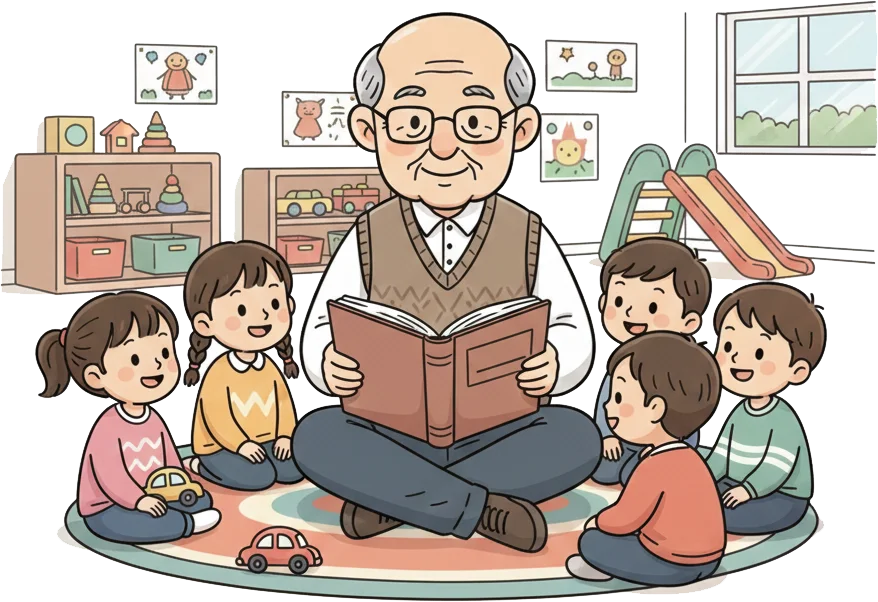
29. Management & Presence in Daily Life
A manager who is present in everyday routines — and steps in when needed — knows what is happening in the groups. In large facilities or with part-time management, this isn’t always possible. Still, a visible and engaged team is always a good sign. A manager who hides in the office is more of a warning signal.
30. Religious Orientation
Muslim, Catholic, or neutral? Even public kindergartens don’t always celebrate Saint Martin’s Day — sometimes it becomes a lantern or light festival to include everyone.

31. Staff Turnover
Private kindergartens often have higher turnover — unless the management is exceptionally good at maintaining staff satisfaction. Public institutions focus strongly on staff stability because new qualified educators are hard to find and expensive. To achieve this, they pay particular attention to the following:
- that parents take vacation during school holidays so staff with school-age children can also take time off
- that children are not brought in sick or on fever-reducing medication like Nureflex, and that they stay home for three additional days after having a fever
- that during reduced operations (Notbetrieb), children stay home if a parent is home
- that there are many pedagogical training days outside of the school holidays
- that staff work as little overtime as possible
- that vacation wishes are fulfilled — even if this means children may need to switch groups or educators
This often conflicts with the needs of parents and children.
High turnover among assistant staff is unfortunately common. These positions are often advertised as 80% cleaning work, while in reality they regularly have to take on tasks that require qualified staff — and for significantly lower pay.
Parents in private kindergartens have a certain leverage due to the higher parental contribution. Differences in staff satisfaction are clearly reflected in the reviews on Kununu, the employer rating platform.
32. Smoking
As in many other professions, there are also staff members in kindergartens who smoke. This can be unsettling for parents—especially when their own child is being cared for and there is a high degree of closeness and physical contact in toddler groups, for example when a child is being comforted.
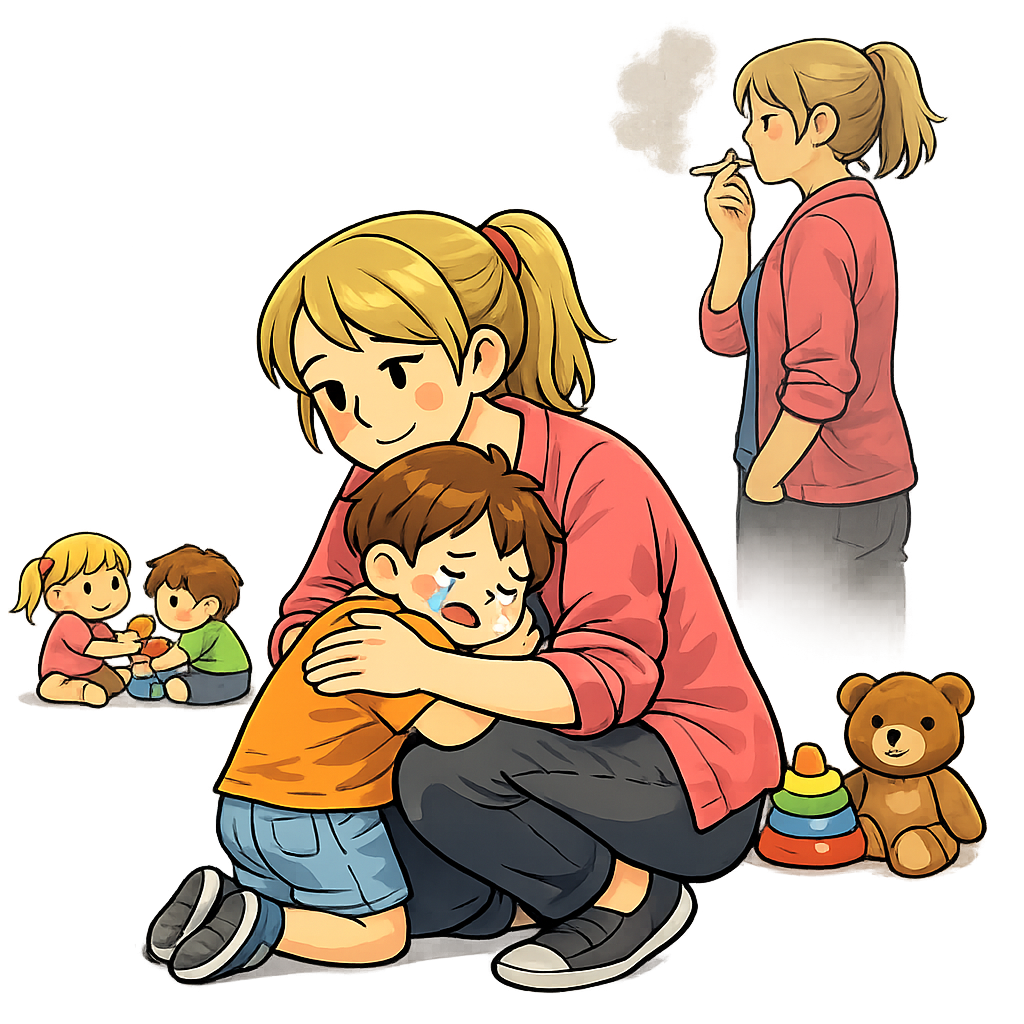
At the same time, it is important to be aware that parents have only limited influence over which individuals accompany and care for their child. Staff changes are part of everyday life in kindergartens and cannot be fully controlled. Those who want complete oversight will ultimately only find this in a parent-run kindergarten.
Conclusion & Checklist
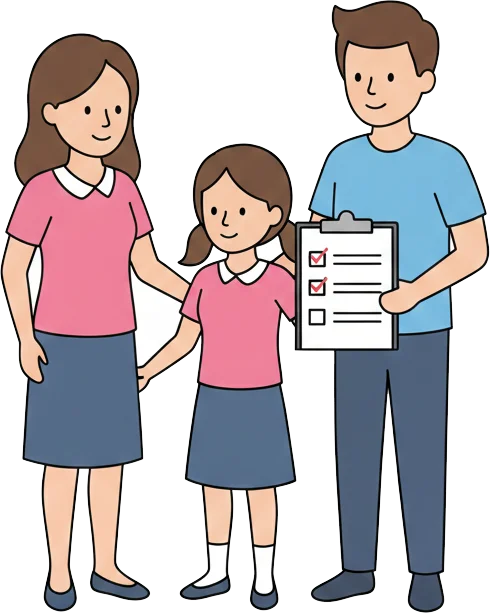
Here is our checklist that you can print out and take with you when visiting kindergartens: click here to download
Which points matter most in your kindergarten, or what would you add to our list? Share your thoughts in the comments!
Leave a Reply